Peer networks
& working groups.
Two ways members go deeper together — functional peer networks built around shared roles, and pillar working groups built around PQMD’s strategic priorities.

Peer networks.
Practitioners in similar functional roles across member organizations exchange practical knowledge and troubleshoot shared challenges.

Logistics & Supply Chain
Coordinating on transport, storage, and delivery challenges across donation and mission programs.
Regulatory & Compliance
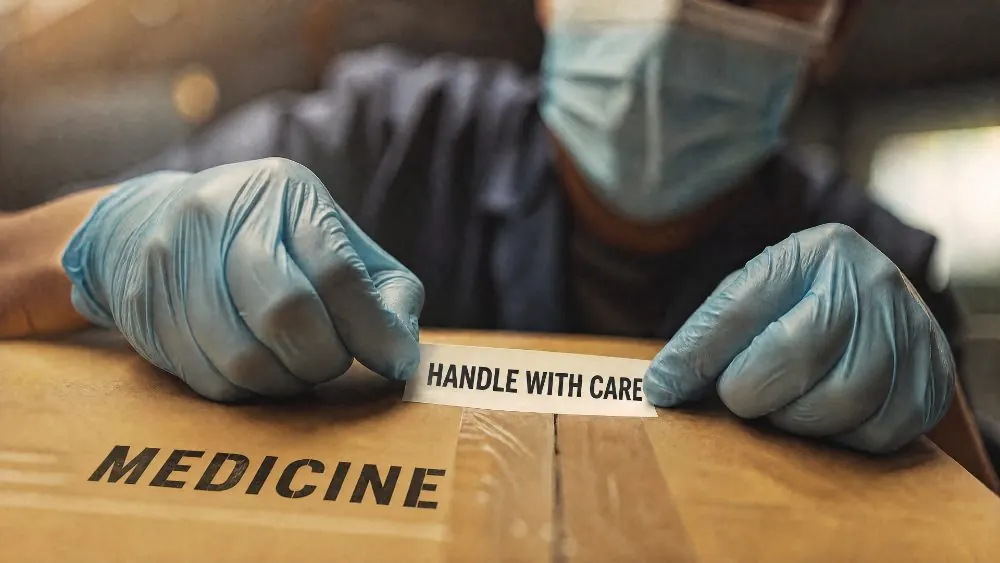
Navigating the regulatory landscape for cross-border medical donations and product movement.
Monitoring & Evaluation
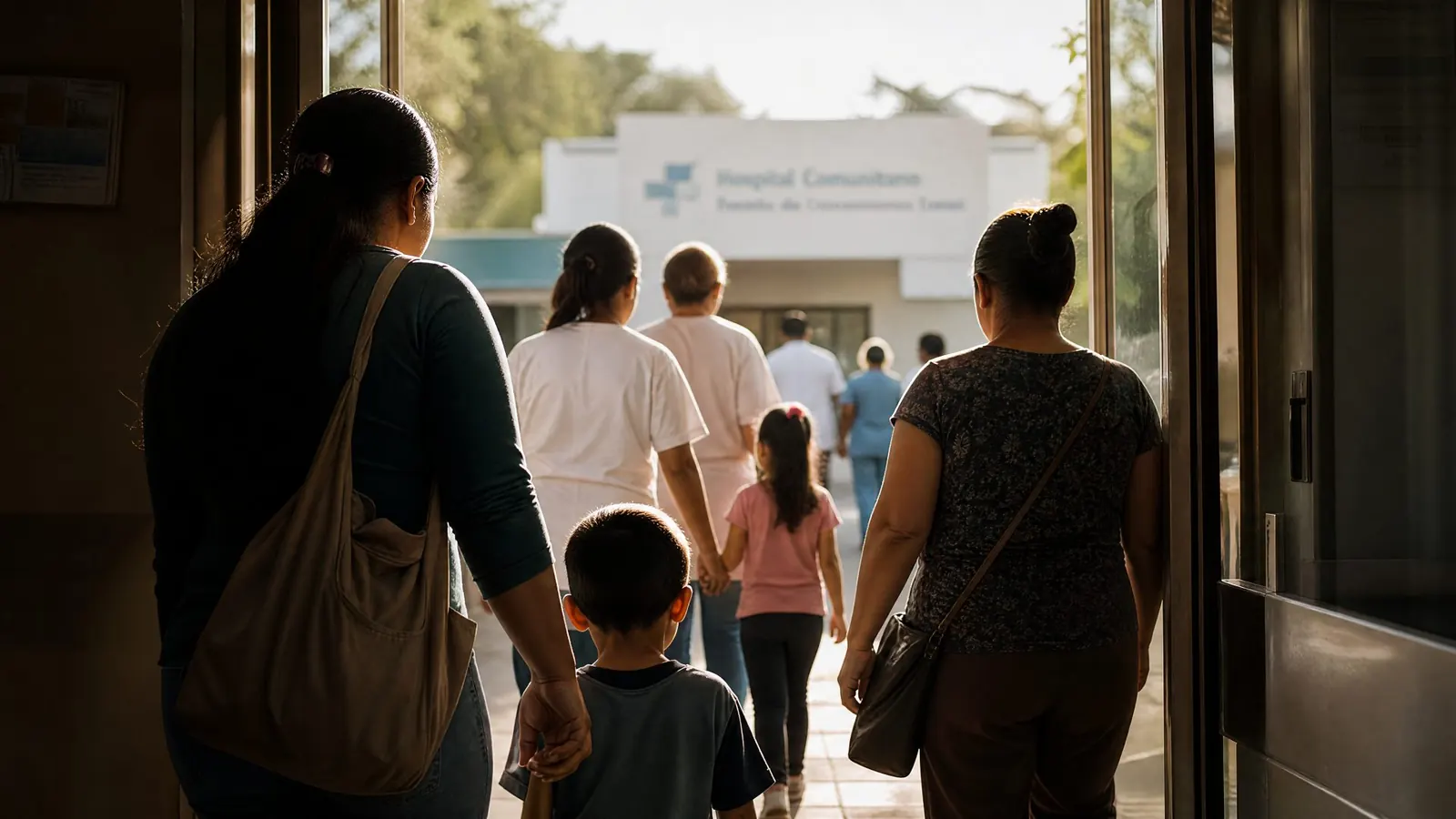
Sharing approaches to measuring program impact, quality, and accountability.
Program Management
Exchanging practical guidance on running medical mission and donation programs day to day.
Pillar working groups.
Members advance PQMD’s six strategic pillars — the shared priorities that anchor the alliance’s collective work.
Donation Guidelines
Advancing quality, appropriate and responsible medical donations.
Humanitarian Assistance
Strengthening collaboration to address humanitarian health needs.
Disaster Response
Supporting coordination and information sharing before, during and after emergencies.
Health System Strengthening
Supporting approaches that contribute to stronger, more resilient health systems.
Knowledge & Innovation
Sharing knowledge, evidence and emerging practices to strengthen global health programs.
Climate & Health
Advancing shared learning and action at the intersection of climate and health.

Get involved.
Peer networks and working groups are open to PQMD member organizations. Membership is the starting point.